
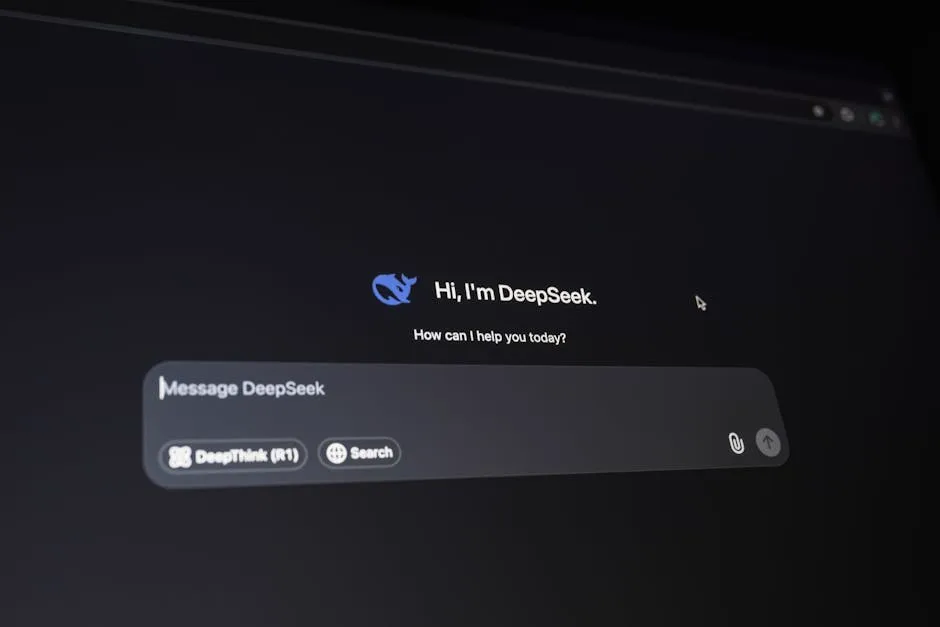
Conversational AI: Best Practices für die Chatbot-Entwicklung
Conversational-AI-Systeme ermöglichen die Interaktion zwischen Mensch und Computer über natürliche Sprache. In diesem Leitfaden betrachten wir Strategien für die Entwicklung von Chatbots im Unternehmensumfeld.
Chatbot-Architektur
Zentrale Komponenten
1┌────────────────────────────────────────────────────┐
2│                    User Interface                   │
3└───────────────────────┬────────────────────────────┘
4                        │
5┌───────────────────────▼────────────────────────────┐
6│              Input Processing Layer                 │
7│  ┌──────────┐  ┌──────────┐  ┌────────────────┐   │
8│  │  Speech  │  │   Text   │  │   Multimodal   │   │
9│  │  to Text │  │ Normalize│  │   Processing   │   │
10│  └──────────┘  └──────────┘  └────────────────┘   │
1130: └───────────────────────┬────────────────────────────┘
12                        │
13┌───────────────────────▼────────────────────────────┐
14│                 Dialog Manager                      │
15│  ┌──────────┐  ┌──────────┐  ┌────────────────┐   │
16│  │  Intent  │  │  State   │  │    Context     │   │
17│  │ Detection│  │ Manager  │  │    Handler     │   │
18│  └──────────┘  └──────────┘  └────────────────┘   │
1938: └───────────────────────┬────────────────────────────┘
20                        │
21┌───────────────────────▼────────────────────────────┐
22│              Response Generation                    │
23│  ┌──────────┐  ┌──────────┐  ┌────────────────┐   │
24│  │   LLM    │  │ Template │  │     Action     │   │
25│  │ Response │  │  Engine  │  │    Executor    │   │
26│  └──────────┘  └──────────┘  └────────────────┘   │
2746: └────────────────────────────────────────────────────┘
Kontextverwaltung
Gesprächsspeicher
1from typing import List, Dict
2from datetime import datetime
3
4class ConversationMemory:
5    def __init__(self, max_turns: int = 10):
6        self.max_turns = max_turns
7        self.history: List[Dict] = []
8        self.metadata: Dict = {}
9
10    def add_message(self, role: str, content: str):
11        message = {
12            "role": role,
13            "content": content,
14            "timestamp": datetime.now().isoformat()
15        }
16        self.history.append(message)
17
18        # Clean old messages
19        if len(self.history) > self.max_turns * 2:
20            self.history = self.history[-self.max_turns * 2:]
21
22    def get_context(self) -> List[Dict]:
23        return [{"role": m["role"], "content": m["content"]}
24                for m in self.history]
25
26    def summarize(self, llm_client) -> str:
27        """Summarize long conversations"""
28        if len(self.history) < 10:
29            return None
30
31        response = llm_client.chat.completions.create(
32            model="gpt-4-turbo",
33            messages=[
34                {"role": "system", "content": "Summarize this conversation."},
35                {"role": "user", "content": str(self.history)}
36            ]
37        )
38        return response.choices[0].message.content
Sitzungsstatus
1class SessionState:
2    def __init__(self, session_id: str):
3        self.session_id = session_id
4        self.user_info: Dict = {}
5        self.collected_data: Dict = {}
6        self.current_intent: str = None
7        self.current_step: str = None
8        self.awaiting_input: str = None
9
10    def set_slot(self, name: str, value: any):
11        self.collected_data[name] = value
12
13    def get_slot(self, name: str) -> any:
14        return self.collected_data.get(name)
15
16    def clear_slots(self):
17        self.collected_data = {}
18
19    def is_complete(self, required_slots: List[str]) -> bool:
20        return all(slot in self.collected_data for slot in required_slots)
21## Intent-Klassifizierung
22
23### LLM-basierte Intent-Erkennung
24
25```python
26def detect_intent(user_message: str, available_intents: List[Dict]) -> Dict:
27    intent_descriptions = "\n".join([
28        f"- {intent['name']}: {intent['description']}"
29        for intent in available_intents
30    ])
31
32    response = client.chat.completions.create(
33        model="gpt-4-turbo",
34        response_format={"type": "json_object"},
35        messages=[
36            {
37                "role": "system",
38                "content": f"""Determine the intent of the user message.
39
40Available intents:
41{intent_descriptions}
42
43Respond in JSON format:
44{{"intent": "intent_name", "confidence": 0.0-1.0, "entities": {{}}}}
45"""
46            },
47            {"role": "user", "content": user_message}
48        ]
49    )
50
51    return json.loads(response.choices[0].message.content)
Hybride Intent-Erkennung
1from sklearn.feature_extraction.text import TfidfVectorizer
2from sklearn.linear_model import LogisticRegression
3
4class HybridIntentClassifier:
5    def __init__(self):
6        self.ml_classifier = None
7        self.vectorizer = TfidfVectorizer()
8
9    def train_ml(self, texts: List[str], labels: List[str]):
10        X = self.vectorizer.fit_transform(texts)
11        self.ml_classifier = LogisticRegression()
12        self.ml_classifier.fit(X, labels)
13
14    def classify(self, text: str) -> Dict:
15        # ML prediction
16        X = self.vectorizer.transform([text])
17        ml_intent = self.ml_classifier.predict(X)[0]
18        ml_confidence = max(self.ml_classifier.predict_proba(X)[0])
19
20        # Ask LLM if confidence is low
21        if ml_confidence < 0.7:
22            llm_result = detect_intent(text, self.available_intents)
23            return llm_result
24
25        return {"intent": ml_intent, "confidence": ml_confidence}
Dialogfluss
Zustandsmaschine
1from enum import Enum
2
3class OrderState(Enum):
4    START = "start"
5    PRODUCT_SELECTION = "product_selection"
6    QUANTITY = "quantity"
7    ADDRESS = "address"
8    CONFIRMATION = "confirmation"
9    COMPLETE = "complete"
10
11class OrderFlow:
12    def __init__(self):
13        self.state = OrderState.START
14        self.data = {}
15
16    def process(self, user_input: str, intent: str) -> str:
17        if self.state == OrderState.START:
18            if intent == "order":
19                self.state = OrderState.PRODUCT_SELECTION
20                return "Welches Produkt möchten Sie bestellen?"
21
22        elif self.state == OrderState.PRODUCT_SELECTION:
23            self.data["product"] = user_input
24            self.state = OrderState.QUANTITY
25            return f"Sie haben {user_input} ausgewählt. Wie viele möchten Sie?"
26
27        elif self.state == OrderState.QUANTITY:
28            self.data["quantity"] = int(user_input)
29            self.state = OrderState.ADDRESS
30            return "Können Sie Ihre Lieferadresse angeben?"
31
32        elif self.state == OrderState.ADDRESS:
33            self.data["address"] = user_input
34            self.state = OrderState.CONFIRMATION
35            return f"Bestellübersicht:\n{self.data}\nBestätigen Sie?"
36
37        elif self.state == OrderState.CONFIRMATION:
38            if "yes" in user_input.lower():
39                self.state = OrderState.COMPLETE
40                return "Bestellung erhalten. Vielen Dank!"
41            else:
42                self.state = OrderState.START
43                return "Bestellung storniert."
44## Antwortgenerierung
45
46### Template- + LLM-Hybrid
47
48```python
49class ResponseGenerator:
50    def __init__(self):
51        self.templates = {
52            "greeting": [
53                "Hello! How can I help you?",
54                "Welcome! What would you like to do today?"
55            ],
56            "farewell": [
57                "Have a good day! See you again.",
58                "I'm here if you have any other questions. Goodbye!"
59            ]
60        }
61
62    def generate(self, intent: str, context: Dict) -> str:
63        # Template for simple intents
64        if intent in self.templates:
65            return random.choice(self.templates[intent])
66
67        # LLM for complex intents
68        return self.llm_generate(intent, context)
69
70    def llm_generate(self, intent: str, context: Dict) -> str:
71        system_prompt = f"""You are a helpful customer service assistant.
72User intent: {intent}
73Current context: {json.dumps(context, ensure_ascii=False)}
74
75Rules:
76- Give short and concise answers
77- Be friendly but professional
78- Ask follow-up questions if necessary
79"""
80
81        response = client.chat.completions.create(
82            model="gpt-4-turbo",
83            messages=[
84                {"role": "system", "content": system_prompt},
85                *context.get("history", [])
86            ]
87        )
88
89        return response.choices[0].message.content
Fallback-Verarbeitung
1class FallbackHandler:
2    def __init__(self):
3        self.fallback_count = 0
4        self.max_fallbacks = 3
5
6    def handle(self, user_input: str, context: Dict) -> str:
7        self.fallback_count += 1
8
9        if self.fallback_count >= self.max_fallbacks:
10            self.fallback_count = 0
11            return self.human_handoff(context)
12
13        responses = [
14            "I didn't understand. Could you rephrase that?",
15            "I cannot help with this. You can ask a different question.",
16            "I think I misunderstood you. could you try again?"
17        ]
18
19        return responses[self.fallback_count - 1]
20
21    def human_handoff(self, context: Dict) -> str:
22        # Hand off to human agent
23        create_support_ticket(context)
24        return "I am connecting you to a customer representative. Please wait."
Analytik und Monitoring
1class ChatAnalytics:
2    def __init__(self):
3        self.metrics = {
4            "total_conversations": 0,
5            "successful_resolutions": 0,
6            "fallback_rate": 0,
7            "avg_turns_per_conversation": 0,
8            "intent_distribution": {}
9        }
10
11    def log_conversation(self, conversation: Dict):
12        self.metrics["total_conversations"] += 1
13
14        # Intent tracking
15        for message in conversation["messages"]:
16            if "intent" in message:
17                intent = message["intent"]
18                self.metrics["intent_distribution"][intent] = \
19                    self.metrics["intent_distribution"].get(intent, 0) + 1
20
21        # Resolution tracking
22        if conversation.get("resolved"):
23            self.metrics["successful_resolutions"] += 1
24
25    def get_resolution_rate(self) -> float:
26        if self.metrics["total_conversations"] == 0:
27            return 0
28        return self.metrics["successful_resolutions"] / self.metrics["total_conversations"]
Produktions-Checkliste
Sicherheit
- Eingabesäuberung
- Rate Limiting
- PII-Masking
- Schutz vor Injections
Performance
- Antwortzeit < 2s
- Unterstützung paralleler Nutzer
- Caching-Layer
- Auto-Scaling
Benutzererfahrung
- Tippindikatoren
- Fehlermeldungen
- Gesprächsverlauf
- Mehrsprachige Unterstützung
Fazit
Konversationelle KI ist eine leistungsstarke Technologie, die Kundeninteraktionen transformiert. Mit gut gestaltetem Dialogfluss, robuster Fehlerbehandlung und kontinuierlicher Verbesserung können erfolgreiche Chatbots aufgebaut werden.
Bei Veni AI entwickeln wir Chatbot-Lösungen für Unternehmen.